Procesion del Cristo de los gitanos

Procesión del  Cristo de los Gitanos

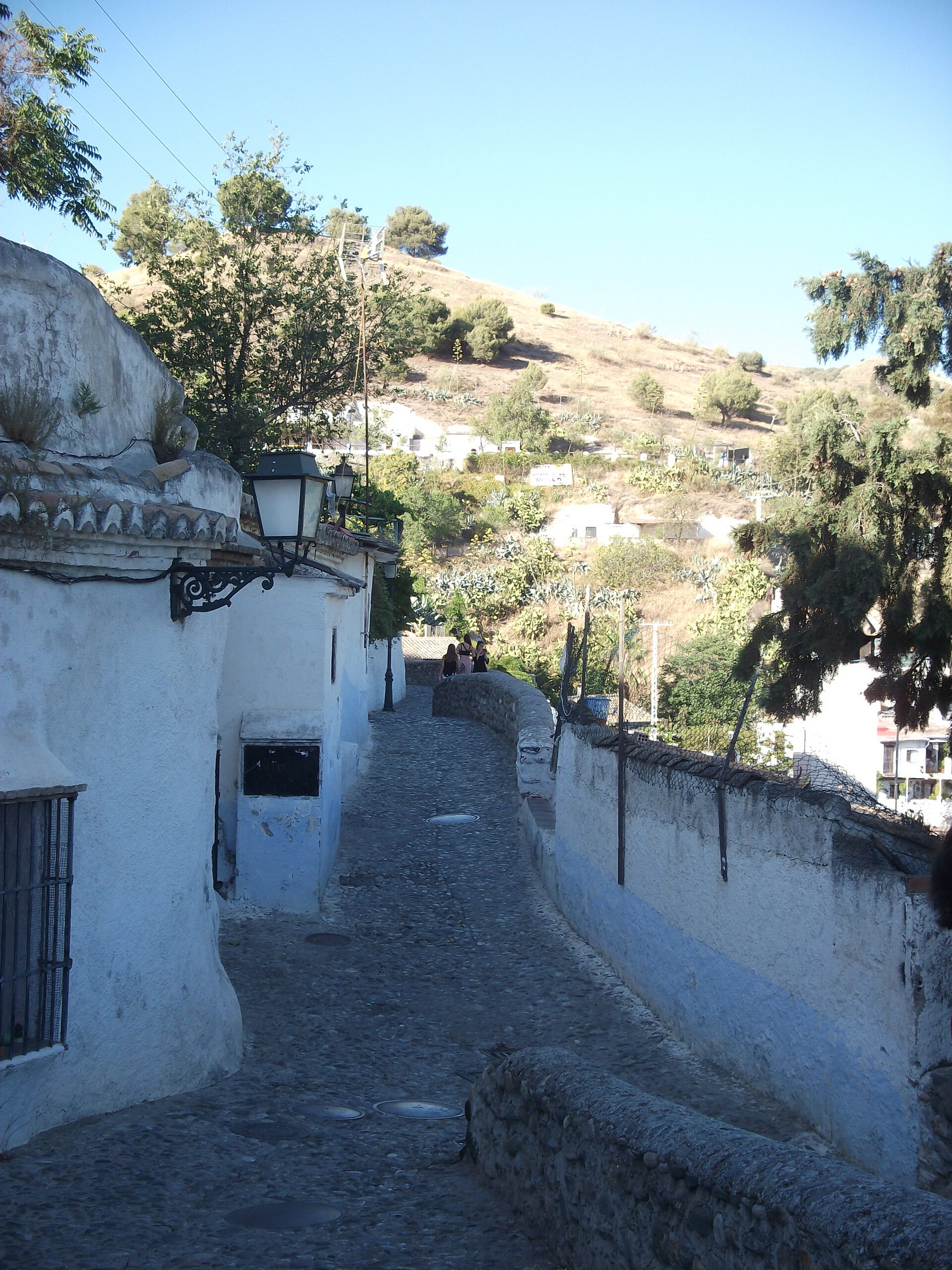
This piece imitates the solemn atmosphere of Easter, the holy”Semana Santa”. Al over the city you hear percussion of the parades, the city sounds and vibrates. From”Abadía del Sacromonte” in the gipsy part of town, they carry barefoot, and on their backs a copy of a heavy statue during a whole day. The statue is called”Cristo de los Gitanos”. To complete the sacrifice, I once witnessed the gypsies running up the hill”Cuesta del Chapiz” in the Albaycin to return to their abbey.

My piece is”lontano” which in music means, to hear things from a distance. In the middle of the piece you discover a little ”Bulerías”, a lively flamenco style, as if you can notice the gypsies dancing and singing somewhere in the night.

Fandango de San Cecilio

Fandango de San Cecilio

I once ran in to a pilgrimage from Granada, with horse carriages decorated with flowers and everybody dressed in folkloric dresses. On the pilgrimage that last for days, they sing and dance Sevillanas and Fandangos.  Fandango is an old folksong, which converted to flamenco in many  versions.

My piece has a folkloric tune and develop into different variations of the same theme. The parts are interrupted by cadences, inspired by the piece “El Café de Chinitas”from García Lorca´s arrangements of old Spanish folksongs.

San Cecilio is the Patron of Granada.

El Jazmin

El Jazmin

Albaycin is a part of town situated on a hill in Granada, where I lived in a beautiful house, with a view over the Sierra Nevada Mountains. It is a part of town with narrow streets, and planted with jazmin from every garden, which gives this neighborhood its magical touch and smell.

My piece is dedicated to this flower, and I give it a sort of aroma through beautiful chords and sounds. The still, perfumed air is represented by a clear, non vibrating tone, and a main theme that is almost hypnotic. During the piece it wakes up to a very slow “Chôro”, but after searching a bit, it will return to its origin.

In flamenco poetry you find many references to plants and aromatic herbs.

Jorge Aguilera – Fin de Fiesta

Jorge Aguilera – Fin de Fiesta

Jorge Aguilera was a very special friend, mentor and artist, who lived in a cave in Sacromonte, the gipsy part of town. He was lively, colorful and reflecting, full of projects.  I would not have experienced Granada  the same way, without him. This piece is “Sonoro” which in music means to be sonorous, as Jorge was too. The rhythm is based on a “Bulería”, a lively and festive flamenco style, interrupted by a slow reflecting part.

Most of the times, flamenco concerts or festivals end up with a “Fin de Fiesta” which means “end of the party”. Typically people get spontaneously on stage to participate, and finish the show with a bang. 

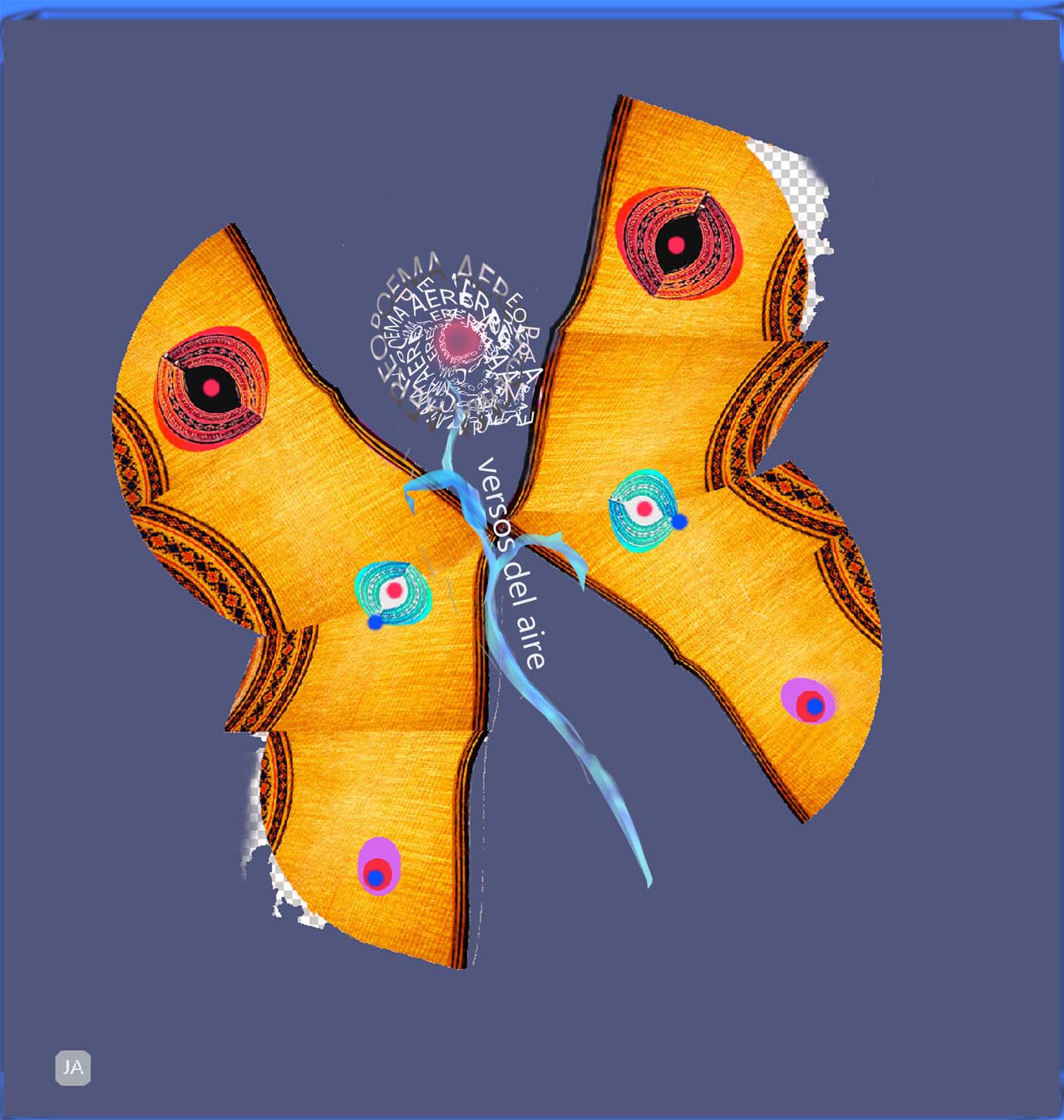
Jorge Aguilera Esteban created my artistic Logo.